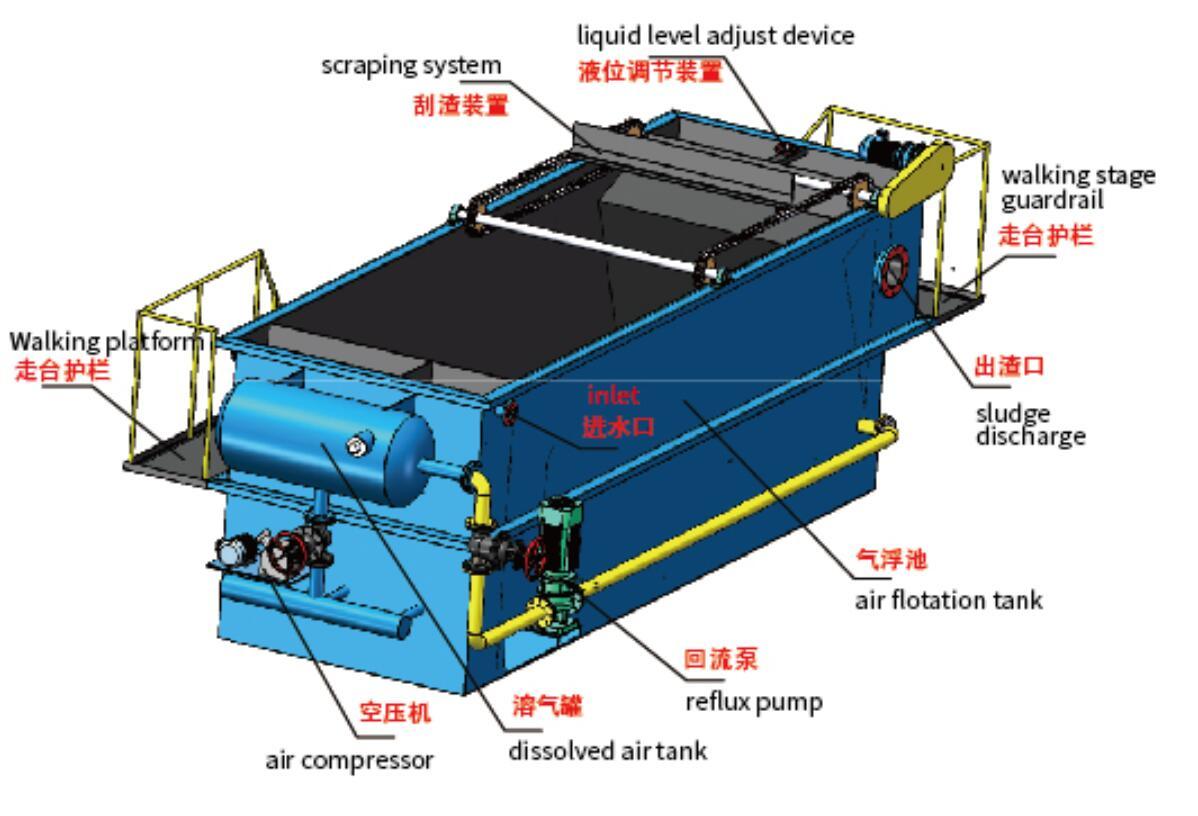
Efficient industrial wastewater treatment is vital for modern manufacturing facilities to ensure regulatory compliance, mitigate environmental risks, and maintain operational stability. By accurately profiling influent contaminants, plants can deploy targeted physical, biological, or chemical treatment technologies. Transitioning to sustainable effluent management eliminates high municipal surcharges, enables reliable internal water reuse, and drives valuable resource recovery within the circular economy. Selecting scalable, automated infrastructure ultimately protects corporate assets from unpredictable shock loads while optimizing long-term ESG performance and factory uptime.
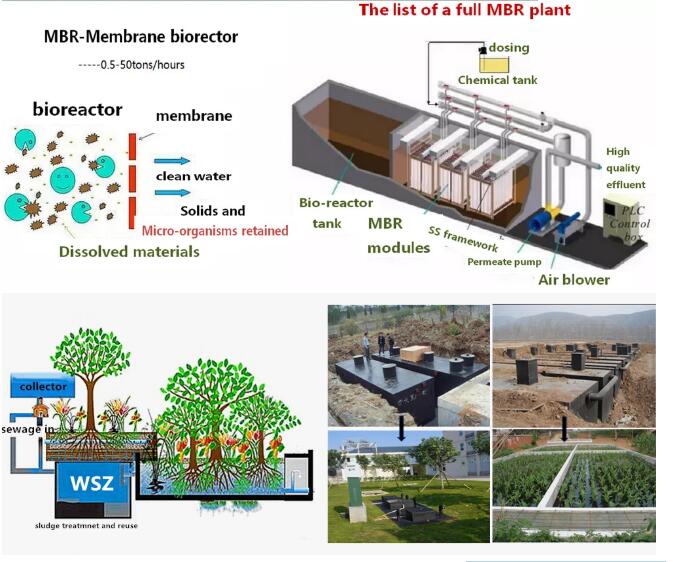
Read More →Modern wastewater treatment requires a multi-stage engineered approach to transform raw influent into compliant effluent while balancing operational costs. By selecting the right combination of preliminary screening, primary clarification, secondary biological processing (such as MBR or activated sludge), and advanced tertiary filtration, facilities can effectively achieve stringent nutrient removal. Furthermore, transitioning sludge management into an energy asset via anaerobic digestion optimizes resource recovery. Integrating smart automation and sensor arrays ensures long-term scalability and plant resilience against varying hydraulic loads.
Read More →Efficient industrial wastewater treatment is vital for modern manufacturing facilities to ensure regulatory compliance, mitigate environmental risks, and maintain operational stability. By accurately profiling influent contaminants, plants can deploy targeted physical, biological, or chemical treatment technologies. Transitioning to sustainable effluent management eliminates high municipal surcharges, enables reliable internal water reuse, and drives valuable resource recovery within the circular economy. Selecting scalable, automated infrastructure ultimately protects corporate assets from unpredictable shock loads while optimizing long-term ESG performance and factory uptime.
Read More →Modern wastewater treatment requires a multi-stage engineered approach to transform raw influent into compliant effluent while balancing operational costs. By selecting the right combination of preliminary screening, primary clarification, secondary biological processing (such as MBR or activated sludge), and advanced tertiary filtration, facilities can effectively achieve stringent nutrient removal. Furthermore, transitioning sludge management into an energy asset via anaerobic digestion optimizes resource recovery. Integrating smart automation and sensor arrays ensures long-term scalability and plant resilience against varying hydraulic loads.
Read More →Selecting the right wastewater treatment system requires moving beyond standard municipal templates to evaluate specific influent chemistry and facility goals. While traditional activated sludge remains the global secondary treatment standard for reducing Biochemical Oxygen Demand, modern environmental regulations necessitate advanced upgrades. Integrating multi-stage processes—combining efficient primary mechanical separation, biological processing, and tertiary polishing technologies like membrane bioreactors (MBRs)—enables plants to handle fluctuating contaminant loads. This strategic approach ensures strict nutrient compliance, minimizes physical footprints, and significantly reduces long-term operational and sludge disposal costs.
Read More →Key Takeaways:While providing us with meat, slaughterhouses also generate vast amounts of complex and difficult-to-treat wastewater. If discharged directly without proper treatment, this wastewater poses a serious threat to the environment and human health. So, what are the specific characteristics
Read More →