Views: 0 Author: Site Editor Publish Time: 2026-07-14 Origin: Site
Activated sludge and basic biological processes remain the global standard for wastewater treatment. Tightening environmental regulations and complex industrial effluents force facility managers to re-evaluate these baseline systems. Defaulting to the most widely used system without rigorous influent characterization leads to excessive footprint requirements, heavy operational burdens, or failure to meet stringent discharge compliance limits like nutrient pollution caps. Selecting the right architecture requires moving beyond standard municipal templates. Facilities must evaluate a customized combination of primary, secondary, and tertiary technologies based on specific success criteria, scalability needs, and long-term operational efficiency. Understanding how these systems interact allows operators to design processes that handle varying contaminant loads while minimizing environmental impact. You need to look at the actual chemistry of your influent before breaking ground on new basins.
Activated Sludge Dominance: Aerobic biological treatment (activated sludge) remains the most widely implemented secondary treatment method, particularly in Publicly Owned Treatment Works (POTWs), due to its reliability in reducing Biochemical Oxygen Demand (BOD).
Multi-Stage Necessity: No single technology is a silver bullet; effective wastewater treatment requires a sequenced architecture combining mechanical separation, biological processing, and advanced polishing.
Footprint vs. Efficiency Trade-offs: Traditional common methods require massive physical footprints, driving modern facilities toward space-saving but energy-intensive alternatives like Membrane Bioreactors (MBRs).
Compliance-Driven Upgrades: The presence of specific contaminants (nitrogen, phosphorus, heavy metals) dictates whether a facility can rely on common biological methods or must invest in advanced filtration and oxidation.
Table of Contents
The activated sludge process stands as the cornerstone of secondary treatment globally. This aerobic biological method relies on a suspended culture of microorganisms to consume dissolved organic matter. By continuously pumping oxygen into aeration basins, operators create an ideal environment for these microbes to thrive, multiply, and break down complex organic waste into simpler, harmless byproducts like water and carbon dioxide. Field operators monitor mixed liquor suspended solids (MLSS) daily to ensure the biological mass remains healthy and active.
This method became the default choice for over 17,000 Publicly Owned Treatment Works across the United States. It excels in applications characterized by predictable influent profiles, high daily volumes, and moderate land availability. Municipalities and large-scale manufacturing sites favor activated sludge because it provides a reliable, well-documented pathway to significantly reduce Biochemical Oxygen Demand before discharge. When you have acres of available land and a steady flow of domestic sewage, digging large concrete basins makes logistical sense.
Despite its widespread adoption, the process carries inherent operational limitations. Continuous aeration demands massive amounts of electricity. The rapid multiplication of microbes generates substantial volumes of secondary biological sludge. Managing, dewatering, and disposing of this residual biomass creates significant logistical challenges. Operators must constantly balance the sludge age and wasting rates to prevent the system from becoming overloaded or washing out during heavy rain events.
To maintain an effective activated sludge system, operators typically follow a strict daily protocol:
Measure the dissolved oxygen (DO) levels in the aeration basins to ensure they stay between 1.5 and 2.0 mg/L.
Calculate the Food-to-Microorganism (F/M) ratio based on incoming BOD and current MLSS.
Adjust the return activated sludge (RAS) pumping rates to maintain optimal bacterial concentrations.
Determine the waste activated sludge (WAS) volume to remove excess biomass from the system.
Inspect the clarifier weirs for algae buildup or uneven flow distribution.
Before biological processes can begin, raw influent must undergo rigorous mechanical separation. Coarse screens, grit chambers, and primary clarifiers work sequentially to remove large debris, sand, and suspended solids. This initial phase can remove up to 35 percent of urban wastewater solids, effectively stripping out plant matter, dirt, and garbage that would otherwise disrupt downstream operations. If you skip proper screening, you will spend your weeks pulling rags out of jammed centrifugal pumps.
The efficiency of primary treatment directly dictates the success of subsequent stages. By significantly reducing the organic load entering the aeration basins, facilities lower their energy consumption for biological processing. Removing abrasive grit and large objects prevents severe mechanical wear and tear on pumps, valves, and delicate aeration equipment. We often see facilities upgrade their fine screens to 2mm or 3mm sizes specifically to protect downstream membrane systems from hair and fibrous materials.
Screening Equipment | Typical Opening Size | Primary Function | Field Application Notes |
|---|---|---|---|
Bar Screens | 15mm - 50mm | Remove large debris (wood, plastics, rags) | Requires automated rakes to prevent headloss and overflow. |
Fine Screens | 1mm - 6mm | Capture hair, seeds, and small plastics | Essential pre-treatment for MBR systems to prevent membrane fouling. |
Grit Classifiers | N/A (Velocity based) | Settle out sand, gravel, and coffee grounds | Protects downstream pump impellers from severe abrasive wear. |
Secondary treatment focuses on eliminating dissolved and colloidal organic compounds. Aerobic systems like activated sludge and trickling filters use oxygen to drive microbial consumption. Anaerobic systems operate in oxygen-free environments to digest waste. Anaerobic digestion is particularly effective for high-strength organic streams and produces biogas, which facilities capture for energy recovery. You will often see anaerobic lagoons used in meat processing plants where the organic load is too high for immediate aeration.
Many modern facilities combine anaerobic and aerobic systems to maximize digestive efficiency. Sequencing these processes allows operators to handle fluctuating high-strength waste streams effectively. The anaerobic stage breaks down heavy organic loads and generates usable biogas. The subsequent aerobic stage polishes the remaining organics to meet baseline discharge standards. This two-step biological approach prevents shock loading the sensitive aerobic bacteria.
Tertiary treatment marks the transition from biological to physical and chemical processing. This stage is necessary when facilities must meet strict environmental discharge limits or achieve water quality suitable for direct reuse. Technologies deployed here target residual suspended solids, dissolved minerals, and microscopic pathogens that survive secondary treatment. When a plant needs to discharge into a sensitive recreational waterway, tertiary filtration is non-negotiable.
Integrating advanced polishing requires careful selection of filtration and disinfection protocols. Sand filtration and activated carbon adsorption remove trace organics and lingering odors. Membrane filtration, including nanofiltration and reverse osmosis, strips out dissolved salts and micro-pollutants. Disinfection protocols neutralize remaining bacteria and viruses, ensuring the final effluent is safe for environmental release or industrial recycling.
Matching a treatment method to a specific contaminant profile requires comprehensive influent characterization. Operators must measure baseline parameters including Biochemical Oxygen Demand, Chemical Oxygen Demand, Total Suspended Solids, and pH levels. Understanding the exact composition of the incoming stream allows engineers to design a sequenced architecture that systematically addresses each pollutant category without overwhelming any single process unit. You cannot design a functional plant based on estimated flow rates; you need 24-hour composite samples taken over several weeks.
Different industries produce wildly different wastewater profiles. A brewery generates high-carbohydrate wastewater that rapidly turns acidic. A metal plating shop produces highly toxic, inorganic wastewater requiring chemical precipitation. You must match the technology to the chemistry.
Land availability heavily influences technology selection. Traditional activated sludge basins require massive physical footprints, making them unsuitable for expanding urban facilities or space-constrained industrial sites. Modular, high-density systems provide robust processing power within a fraction of the space. When a factory needs to double its production but has no room to expand its property lines, footprint becomes the deciding factor.
Scalability remains a critical factor. Facilities must evaluate how easily a chosen system can adapt to capacity expansions or seasonal flow variations. Modular membrane systems can often be scaled up by adding additional cassettes. Expanding a conventional clarifier requires significant civil engineering, concrete pouring, and land acquisition.
Evolving environmental mandates strictly regulate nutrient pollution, specifically nitrogen and phosphorus. These elements primarily originate from human waste, food processing byproducts, and specific commercial detergents. When discharged into natural waterways, excess nutrients trigger harmful algal blooms and deplete aquatic oxygen levels. Regulators are cracking down hard on total nitrogen limits across the country.
Standard biological methods often struggle to meet these stringent nutrient caps without modification. Facilities facing strict local discharge mandates must integrate Biological Nutrient Removal processes or chemical precipitation stages into their existing architecture. This usually involves creating anoxic and anaerobic zones within the treatment train to encourage specific bacteria to consume and release phosphorus and convert nitrates into nitrogen gas.
When conventional clarifiers fail to deliver required effluent clarity or space is severely limited, Membrane Bioreactors offer a powerful alternative. MBRs combine biological treatment with microfiltration or ultrafiltration membranes, completely replacing the need for secondary clarification. This integration delivers superior effluent quality in a significantly smaller footprint. We install MBRs when a client needs to upgrade their capacity but cannot build new concrete tanks.
For facilities targeting zero liquid discharge or requiring high-purity water for internal reuse, Reverse Osmosis and nanofiltration become necessary. These advanced desalinization techniques force water through semi-permeable membranes at high pressure. They effectively strip out dissolved solids, heavy metals, and complex industrial chemicals that biological systems cannot process. RO systems require extensive pre-treatment to prevent the membranes from scaling or fouling prematurely.
Traditional chemical disinfection relies heavily on chlorine, which can leave toxic residual byproducts in the effluent. Modern facilities are rapidly shifting toward advanced physical alternatives to neutralize pathogens without introducing new chemicals into the water stream. Handling ton cylinders of chlorine gas presents a massive safety liability for plant operators.
Ultraviolet irradiation disrupts the DNA of microorganisms, rendering them unable to replicate. Advanced oxidation processes utilizing ozone and hydrogen peroxide generate highly reactive hydroxyl radicals. These radicals aggressively break down complex trace organics, pharmaceuticals, and resilient pathogens. UV systems require clear water to function properly; if your TSS is too high, the suspended particles will shield the bacteria from the UV light.
Heavy industry generates complex waste streams that instantly overwhelm standard biological municipal systems. Targeted approaches are required to handle specific industrial byproducts before they reach biological basins. Dissolved air flotation systems are highly effective at separating fats, oils, and greases from food processing or petrochemical effluents. A DAF unit introduces microscopic air bubbles into the water, which attach to the grease and float it to the surface for mechanical skimming.
Removing heavy metals and toxic minerals demands highly specialized interventions. Technologies like Sono Arsenic Filtering and chemical precipitation target specific hazardous elements. By adjusting the pH and adding specific coagulants, operators force dissolved metals to precipitate into solid particles. These particles are then mechanically filtered out of the wastewater stream using filter presses or inclined plate clarifiers.
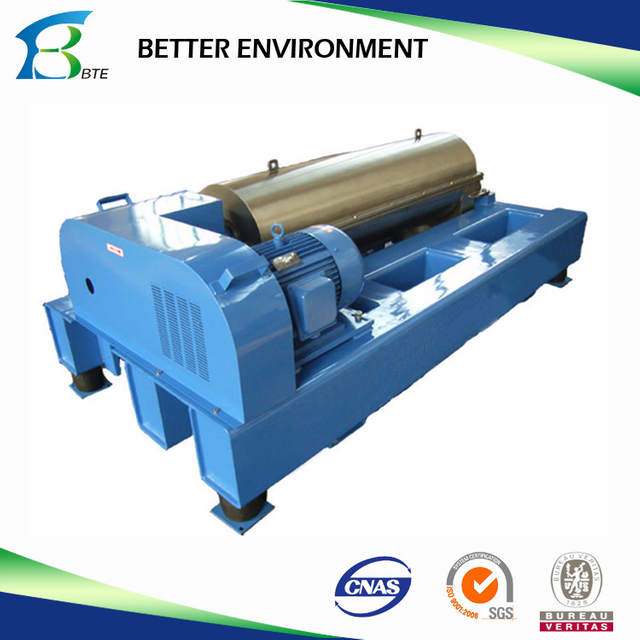
Wastewater treatment generates massive amounts of residual solids. Dewatering, transporting, and disposing of biological sludge requires dedicated equipment and daily attention. Facilities use belt presses, centrifuges, or screw presses to squeeze water out of the waste sludge. The drier the sludge cake, the fewer trucks you need to haul it away. Operators spend a significant portion of their shift managing polymer dosing systems to ensure the sludge flocculates properly before hitting the press.
Routine maintenance dictates the lifespan of the equipment. Aeration blowers require regular oil changes and filter replacements. Submersible pumps need their seals checked and impellers cleared of debris. If you ignore preventative maintenance on a wastewater plant, the harsh, corrosive environment will destroy your equipment within a few years.
Retrofitting existing infrastructure with new technologies presents distinct engineering challenges. Installing membrane cassettes into old concrete basins requires precise hydraulic calculations to ensure proper flow distribution. You cannot just drop new technology into an old plant and expect it to work perfectly on day one.
Biological shock remains a constant risk when integrating new industrial lines. If a manufacturing floor dumps a highly acidic chemical batch down the drain, it can wipe out the entire bacterial population in the aeration basin. Facilities must install equalization tanks and pH monitoring stations to buffer these toxic spikes before they reach the biological treatment stage. Specialized operator training is mandatory when upgrading from a simple lagoon system to a highly automated MBR plant.
Conduct a 30-day composite sampling study to accurately characterize your facility's specific influent chemistry and flow variations.
Hire an environmental engineering firm to perform a treatability study comparing activated sludge against MBR and DAF technologies for your specific waste stream.
Evaluate your available land footprint and map out potential locations for equalization tanks and sludge dewatering equipment.
Review your local municipal discharge permits to identify upcoming regulatory changes regarding nitrogen and phosphorus limits.
To effectively navigate these stringent requirements and execute a reliable technological transition, partnering with an experienced environmental engineering and machinery manufacturing expert is vital. Shandong Better Environmental Protection Technology Co., Ltd. specializes in the R&D and manufacturing of advanced wastewater treatment systems, providing global industrial clients with highly automated, robust, and custom-engineered equipment—including high-efficiency Dissolved Air Flotation (DAF) units and containerized Membrane Bioreactors (MBR)—designed to ensure steady-state compliance and seamless plant integration.
A: Activated sludge is the most widely implemented secondary treatment method. It is an aerobic biological process that uses a suspended culture of microorganisms and continuous oxygen aeration to break down dissolved organic waste and reduce Biochemical Oxygen Demand.
A: Aerobic treatment relies on continuous oxygen to help microbes consume organic matter. Anaerobic treatment operates in oxygen-free environments, utilizing different bacteria to digest high-strength waste, which naturally produces biogas that can be captured for energy.
A: Primary treatment removes large solids, plant matter, dirt, and garbage. This prevents severe mechanical damage to downstream pumps and aeration equipment while significantly reducing the organic load that the secondary biological systems must process.
A: Industrial systems must handle complex, highly concentrated contaminants. They often require specialized chemical treatments, rigorous pH neutralization, dissolved air flotation for oils, and targeted heavy metal removal processes that standard municipal biological plants do not utilize.
A: The most effective tertiary methods include Reverse Osmosis, Membrane Filtration, Nanofiltration, and Ultraviolet Irradiation. These advanced technologies polish the effluent by removing dissolved minerals, trace organics, and pathogens to achieve reuse-quality water.
A: The primary operational drivers include the massive energy consumption required for continuous aeration, the volume of chemical consumables needed for precipitation and pH adjustment, routine equipment maintenance, and the logistical burden of dewatering and disposing of residual biological sludge.