Views: 0 Author: Site Editor Publish Time: 2026-07-14 Origin: Site
Industrial effluent represents a massive operational liability for manufacturing facilities. Managing this byproduct directly impacts facility uptime, corporate risk profiles, and overall production stability. It is no longer just an environmental obligation. It is a core requirement for continuous manufacturing. Facilities face escalating pressures from tightening discharge regulations regarding heavy metals, synthetic chemicals, and organic loads. Municipal surcharge costs continue to rise across all regions. Water scarcity threatens production continuity, forcing plants to rethink their water consumption strategies. Relying on inefficient legacy systems drains resources and exposes operations to severe compliance risks.
The global market for industrial water management is expanding rapidly. Industrial expansion, freshwater scarcity, and strict regulatory enforcement drive this growth. Facility leaders must address these challenges proactively. Understanding the precise purpose of wastewater treatment for a specific site is mandatory. Whether the goal is basic discharge compliance, internal water reuse, or byproduct recovery, this understanding forms the first step in evaluating, shortlisting, and procuring the right treatment infrastructure.
Compliance is the Baseline, Not the Ceiling: The primary purpose of wastewater treatment is mitigating regulatory risk and avoiding costly discharge surcharges, but modern systems increasingly focus on resource recovery.
Contaminant Profiling Drives Technology Selection: System architecture must be reverse-engineered from specific influent characteristics (e.g., organic waste loads, pH extremes, heavy metals) and strict effluent targets.
Public Health and ESG are Board-Level Mandates: Beyond fines, inadequate treatment poses catastrophic reputational risk through waterborne pathogens, environmental degradation, and community impact.
Scalability and Resilience are Critical: Viable solutions must account for production expansions, variable flow rates, and biological shock loads without catastrophic system failure.
Table of Contents
Meeting stringent local, state, and federal discharge limits remains the baseline objective for any facility. Regulatory bodies enforce strict guidelines on what plants can release into municipal sewers or local waterways. These permits dictate allowable levels of specific contaminants, including heavy metals, suspended solids, and organic matter. Failing to meet these standards carries severe legal risks. Facilities face daily fines for non-compliance. Regulators can force production halts until the issue resolves. Reputational damage follows closely behind legal action.
Treating effluent neutralizes extreme pH levels before discharge. It removes total suspended solids (TSS) and reduces Biochemical Oxygen Demand (BOD). Controlling these parameters helps facilities avoid steep municipal surcharges. Municipalities charge heavy fees when industrial plants send high-strength waste to public treatment works. A well-designed onsite system keeps these metrics within acceptable limits, protecting the operating license and preventing unexpected regulatory penalties.
Preventing environmental pollution protects public health. Industrial effluent often contains harmful pathogens, waterborne diseases, and toxic chemicals. Releasing these contaminants into the environment causes immediate and long-term ecological damage. Proper treatment removes these hazards before discharge. Modern Environmental, Social, and Governance (ESG) frameworks demand proactive water management. Communities expect facilities to operate responsibly.
Effective water management secures a facility's social license to operate. It demonstrates a commitment to local ecological safety. Companies that prioritize robust treatment systems protect their brand reputation. They align with global sustainability standards. Preventing toxic runoff into local rivers or groundwater supplies is a non-negotiable aspect of modern industrial operations.
Untreated or poorly treated water damages internal infrastructure. High mineral content causes scaling in pipes. Corrosive chemicals degrade metal components rapidly. Biological growth leads to fouling in cooling towers and boilers. This degradation forces premature equipment replacement. It causes unexpected downtime that halts production lines.
Reliable water management serves as a prerequisite for uninterrupted manufacturing. Protecting physical assets requires consistent water quality. Facilities that implement proper treatment protect their capital investments. They ensure processing operations run without costly interruptions. Clean water feeds cooling systems efficiently, maintaining optimal heat transfer rates and preventing catastrophic equipment failures.
Treating effluent for direct facility reuse offers significant operational advantages. Reusing water reduces raw water intake requirements. This lowers utility bills and provides resilience against local water scarcity. Advanced systems capture valuable byproducts during the treatment process. Anaerobic digestion generates biogas. Facilities capture this biogas for onsite power generation, offsetting energy demands.
Agricultural and food processing plants can recover nutrients for secondary markets. Phosphorus and nitrogen extracted from the waste stream become valuable fertilizers. Transitioning to a circular economy model transforms a waste stream into a valuable resource. This approach maximizes operational efficiency and supports long-term sustainability goals.
Food and beverage facilities generate highly variable effluent. The contaminant profile includes high organic loads, measured as BOD and Chemical Oxygen Demand (COD). Washdown processes introduce fats, oils, and greases (FOG) into the stream. Flow rates fluctuate dramatically based on production schedules and sanitation shifts.
The primary purpose of treatment in this sector focuses on high-strength organic removal. Managing nutrient levels prevents municipal surcharge penalties. Systems must handle sudden spikes in volume and concentration without failing. Effective separation of FOG is critical before biological treatment stages. If FOG enters a bioreactor, it coats the microorganisms, preventing them from consuming the organic waste.
Sub-Sector | Primary Contaminants | Typical Treatment Approach |
|---|---|---|
Dairy Processing | High BOD, Milk Fats, Proteins, Variable pH | DAF for fat removal, Aerobic Biological Treatment |
Meat Packing | Blood, Tissue, High FOG, Pathogens | Screening, DAF with chemical coagulation, Anaerobic Digestion |
Breweries | High COD, Yeast, Spent Grains, Extreme pH swings | Equalization, pH Neutralization, Anaerobic/Aerobic systems |
Chemical and pharmaceutical plants produce complex and hazardous effluent. The profile often contains active pharmaceutical ingredients (APIs). Complex synthetic organics and solvents are common. Extreme pH fluctuations occur regularly based on batch processes. The primary purpose here is the destruction of toxic recalcitrant compounds.
These micro-pollutants easily bypass standard municipal plants. Facilities require specialized advanced oxidation or chemical destruction methods. Ensuring these compounds break down completely protects local waterways from severe ecological disruption. Standard biological systems often fail here because the chemicals are toxic to the bacteria used in conventional reactors.
Heavy industry deals with inorganic and highly toxic contaminants. The profile includes heavy metals, emulsified oils, and suspended solids. Electronics manufacturing often introduces fluorinated compounds, including PFAS. The primary purpose involves metal precipitation and oil separation.
Advanced filtration is necessary to comply with strict zero-liquid discharge (ZLD) mandates. Direct discharge permits require near-perfect removal of heavy metals. Systems rely heavily on chemical coagulation and specialized membrane filtration to meet these exacting standards. Removing heavy metals requires precise pH adjustment to force the metals out of solution so they can be filtered out as solid sludge.
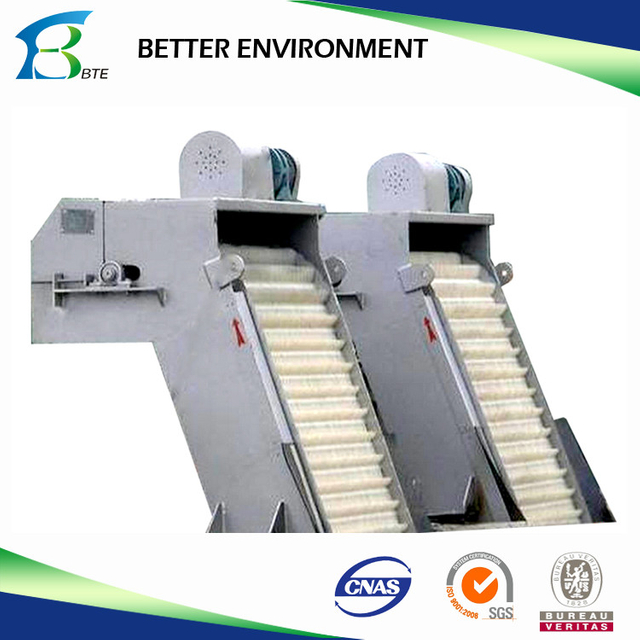
Physical separation acts as the first line of defense. Its purpose is to remove large debris, grit, and free-floating oils before they damage sensitive downstream equipment. Key technologies include mechanical screening, Dissolved Air Flotation (DAF), and sedimentation clarifiers. Screens catch solid waste. DAF units use fine air bubbles to float oils and suspended solids to the surface for removal. Clarifiers allow heavy particles to settle at the bottom.
When evaluating these technologies, facilities must consider footprint requirements. Their effectiveness directly impacts the efficiency of subsequent biological or chemical systems. Poor physical separation leads to rapid fouling and system failure later in the process. Pumps clog, and bioreactors fill with inert solids if the physical separation stage underperforms.
Coarse Screening: Removes large debris like plastics, wood, and large organic chunks.
Fine Screening: Captures smaller particulates to protect downstream pumps.
Grit Removal: Settles out heavy inorganic materials like sand and metal shavings.
Dissolved Air Flotation: Injects microscopic air bubbles to float suspended solids and oils for mechanical skimming.
Biological systems utilize microorganisms to consume dissolved organic waste, pathogens, and nutrients. Key technologies include aerobic systems like Membrane Bioreactors (MBR) and Moving Bed Biofilm Reactors (MBBR). Anaerobic digesters operate without oxygen to break down high-strength organics.
Evaluating biological systems requires analyzing energy intensity. Aeration for aerobic systems demands significant power. Facilities must balance this energy use against the required effluent quality. Biological systems remain vulnerable to toxicity, sudden temperature shifts, and organic shock loads. Operators must maintain stable conditions to keep the microbial population healthy and effective.
Chemical processes target non-biodegradable contaminants. They remove heavy metals, pathogens, and emerging pollutants like PFAS. Physical and biological systems cannot process these complex compounds. Key technologies include coagulation, flocculation, and chemical precipitation. Ozone treatment and UV advanced oxidation destroy organic bonds at a molecular level.
Evaluating these systems involves analyzing ongoing chemical procurement requirements. Handling these chemicals requires strict safety protocols. Chemical precipitation generates significant volumes of chemical sludge. This sludge requires specialized, often expensive, disposal methods. Facilities must weigh these operational demands against the necessity of meeting strict discharge limits.
Selecting the right system begins with a comprehensive baseline water audit. Facilities must measure daily flow rates and identify peak loads. They must build an accurate contaminant profile. Understanding the exact composition of the influent is non-negotiable. Next, facilities must map specific effluent goals.
Discharging to a municipal sewer requires different standards than discharging directly to a river. Internal reuse demands the highest level of purification. These specific targets dictate the required treatment tiers. Guessing influent characteristics leads to undersized equipment and inevitable compliance failures. A thorough treatability study prevents costly design errors.
Physical space limits treatment options. Retrofitting existing plants with limited real estate requires creative engineering. Large clarifiers and sprawling aeration basins often do not fit inside established facility footprints. Decentralized, containerized, or modular units offer practical solutions.
These compact systems fit into tight spaces. Modularity allows for phased capital expenditure. Facilities can install basic treatment now and add advanced modules later as production expands. This flexibility ensures the infrastructure scales alongside the business without requiring massive upfront spatial commitments. Containerized MBR systems, for example, provide high-quality effluent in a fraction of the space required by conventional activated sludge plants.
Integrating new treatment trains into active production environments carries significant risk. Shutting down manufacturing to install water infrastructure is rarely an option. Facilities must outline strict mitigation strategies. Temporary bypass systems keep water flowing during construction.
Phased commissioning allows engineers to test individual components without disrupting the entire plant. Pilot testing validates the technology on a small scale before full integration. Careful planning prevents unexpected production halts and ensures a smooth transition to the new system. Contractors must coordinate tie-ins during scheduled maintenance windows to avoid impacting daily output.
Industrial production fluctuates constantly. Sanitation shifts in food processing cause sudden spikes in flow volume. Batch processing in chemical plants causes dramatic shifts in chemical concentration. These shock loads overwhelm biological systems. They kill off essential bacteria and cause untreated effluent to bypass the system entirely.
Equalization tanks mitigate this risk. These large holding tanks collect effluent and mix it. They release a steady, consistent flow into the treatment train. Robust control logic and automated sensors monitor these tanks to prevent system failure during peak production hours. Proper equalization ensures downstream equipment operates at its designed steady-state capacity.
The industry faces a severe shortage of licensed water operators. Running complex treatment trains requires specialized knowledge. Relying solely on manual labor exposes the facility to human error and compliance risks. Modern systems require advanced automation.
Supervisory Control and Data Acquisition (SCADA) systems provide real-time oversight. Remote monitoring allows off-site experts to troubleshoot issues immediately. Automated dosing systems adjust chemical feeds based on real-time sensor data. This automation reduces reliance on specialized manual labor while ensuring continuous, reliable compliance. Sensors track pH, dissolved oxygen, and turbidity, adjusting system parameters instantly to maintain optimal performance.
Initiate a comprehensive water audit immediately to establish baseline flow rates and contaminant profiles.
Engage specialized engineers to conduct a detailed site assessment and treatability study.
Define exact effluent success criteria based on local discharge permits or internal reuse goals.
Run a pilot program to validate the chosen technology on a small scale before committing to full-scale deployment.
To successfully execute these technical milestones and optimize your facility's long-term risk profile, partnering with an experienced hardware and engineering provider is critical. As an industry pioneer in advanced environmental engineering, Shandong Better Environmental Protection Technology Co., Ltd. delivers state-of-the-art, automated wastewater treatment equipment and tailored turnkey systems that guarantee reliable discharge compliance, asset protection, and streamlined resource recovery for global manufacturing plants.
A: The primary purpose is to remove harmful contaminants, organic waste, pathogens, and toxic chemicals from industrial effluent to ensure regulatory compliance, protect public and ecological health, and enable safe discharge or internal water reuse.
A: Selecting the right system requires a comprehensive water audit to characterize influent contaminants, measure daily flow rates, and define exact effluent targets based on local discharge permits or reuse requirements.
A: Inadequate treatment can result in severe municipal surcharges, daily EPA fines, revoked discharge permits, and mandatory facility shutdowns until compliance is restored.
A: Yes. Advanced systems can generate ROI by recovering valuable byproducts, capturing biogas for energy generation, and treating water to a quality suitable for facility reuse, thereby drastically reducing raw water purchasing costs.
A: Municipal treatment primarily handles domestic sewage, pathogens, and organic waste. Industrial wastewater treatment must be custom-engineered to handle complex, highly concentrated pollutants like heavy metals, extreme pH levels, and chemical solvents specific to a manufacturing process.
A: Shock loads—sudden spikes in wastewater volume or contaminant concentration—can overwhelm biological treatment systems, killing off essential bacteria and causing untreated effluent to bypass the system. Equalization tanks are typically used to mitigate this risk.
A: Industrial treatment prevents waterborne diseases and environmental toxicosis by eliminating heavy metals, pathogens, and synthetic chemicals before the effluent enters groundwater, surface waters, or municipal sewer systems.