Views: 0 Author: Site Editor Publish Time: 2026-09-14 Origin: Site
What if livestock manure could become a valuable fertilizer instead of a costly waste problem? Traditional lagoons and open-air composting often require large areas, depend on weather conditions, and create risks related to odors, runoff, and inconsistent processing.
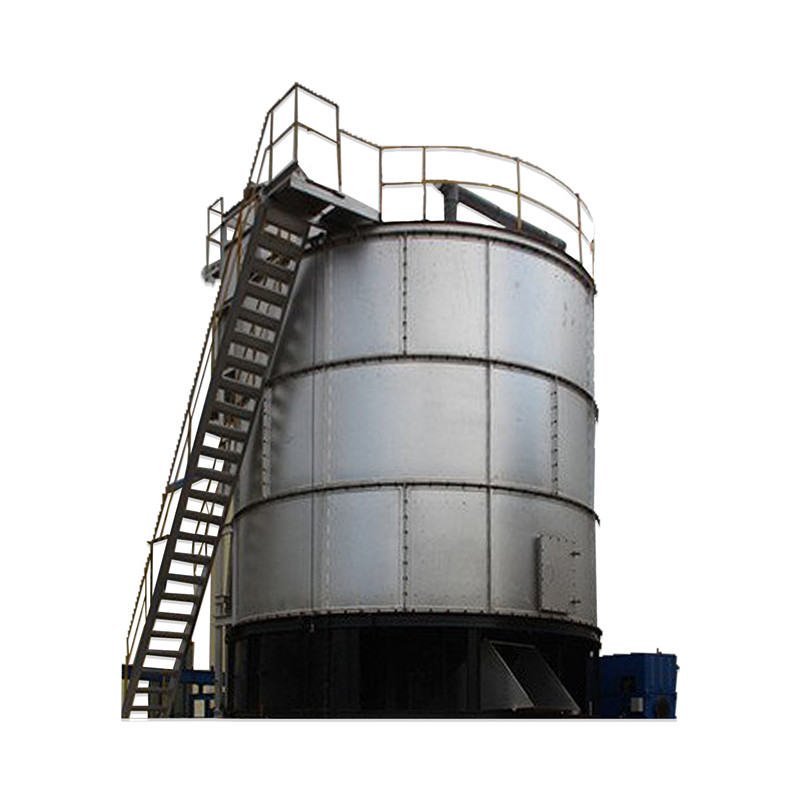
A closed-vessel manure fermentation tank provides a controlled solution for processing livestock waste. It accelerates decomposition, reduces odors, stabilizes nutrients, and supports year-round organic fertilizer production.
In this article, you will learn how manure fermentation tanks work, their main benefits, suitable applications, and the key factors to consider when selecting a system for your agricultural facility.
Accelerated Processing: High-temperature fermentation tanks reduce the composting timeline from several months to a reliable 7–10 day cycle.
Pathogen & Odor Control: Closed-vessel systems achieve sustained thermophilic temperatures, effectively eradicating pathogens and weed seeds while capturing and treating odor emissions.
Nutrient Stabilization: Controlled environments prevent nitrogen volatilization and nutrient leaching, resulting in a uniform, high-value organic fertilizer with stable organic matter.
Strategic ROI: While requiring upfront capital expenditure, fermentation tanks offset costs through reduced disposal fees, minimized land footprint, and the creation of a secondary revenue stream that capitalizes on the growing demand for sustainable fertilizer alternatives.
Table of Contents
Understanding the technical distinction between waste processing methods dictates facility planning and infrastructure requirements. Anaerobic digesters operate in a strictly airtight environment. They rely on bacteria that thrive without oxygen to decompose waste. Facilities use these systems primarily to capture biogas or methane for energy generation. However, the byproduct is a liquid digestate that still requires extensive secondary management, pumping, and field application.
Aerobic systems utilize forced aeration to rapidly compost waste. A manure fermentation tank continuously introduces ambient air to fuel aerobic bacteria. These microorganisms break down organic matter much faster than anaerobic bacteria. Aerobic systems fit operations prioritizing the output of solid, soil-ready organic fertilizer over energy generation. The aerobic process generates significant natural heat. This thermal energy drives moisture evaporation and accelerates the stabilization of the final solid product, eliminating the need for secondary liquid storage.
The transformation from raw waste to stabilized fertilizer follows a precise, four-stage biological cycle within the steel vessel. Operators must monitor each phase to ensure consistent output.
Mixing and Loading: Raw animal droppings from poultry, swine, or cattle contain high nitrogen levels and excessive moisture, often exceeding 70%. Operators must blend this raw feedstock with carbon-rich bulking agents like straw, sawdust, or wood chips. This pre-mixing achieves the optimal Carbon-to-Nitrogen (C:N) ratio, typically around 25:1 to 30:1. Proper blending drops the initial moisture content to roughly 55-60% and creates the necessary physical porosity for airflow within the tank.
Thermophilic Phase (Heating): Once loaded, the system activates forced aeration blowers. The introduction of oxygen stimulates intense microbial activity. As aerobic bacteria consume the organic matter, they release thermal energy. Internal temperatures rapidly elevate to between 60°C and 70°C within the first 48 hours. This intense heat breaks down complex proteins and carbohydrates into simpler, stable compounds.
Pathogen Eradication: Maintaining these thermophilic temperatures meets strict agricultural safety standards. The sustained heat effectively destroys harmful bacteria, including E. coli and Salmonella. It also neutralizes weed seeds and parasite eggs. The closed-vessel design ensures uniform heat distribution, preventing cold spots near the tank walls where pathogens might otherwise survive.
Cooling and Stabilization: In the final phase, microbial activity naturally slows as the easily digestible organic matter depletes. The system continues to aerate the material, driving off excess moisture through the exhaust vents. The temperature gradually drops. Nitrogen is stabilized within the organic matrix, preventing it from volatilizing into ammonia gas. The resulting material cures into a uniform, soil-ready amendment with a moisture content around 30%.
Modern fermentation systems rely heavily on integrated automation to maintain biological stability. Programmable Logic Controller (PLC) systems process data from multiple internal sensors. Thermocouples and moisture probes continuously monitor conditions across different vertical zones within the vessel. When oxygen levels drop or temperatures spike beyond optimal ranges, the PLC automatically triggers the aeration blowers via Variable Frequency Drives (VFDs).
This automated intervention maintains the optimal microbial environment without requiring constant manual oversight from site staff. Lower-tier models often lack multi-point temperature monitoring. Relying on a single sensor increases the risk of uneven fermentation. Without precise control, certain zones may turn anaerobic, leading to foul odors, sluggish decomposition, and incomplete pathogen destruction.
Processing raw livestock waste inherently generates strong odors, primarily from ammonia and hydrogen sulfide. A high-quality fermentation tank utilizes a closed-loop exhaust system to capture these emissions. Instead of venting raw gases directly into the atmosphere, the system directs the exhaust through integrated scrubbers or biological filters.
Biofilters use a medium, often wood chips, bark, or specialized compost, inoculated with bacteria that consume odor-causing compounds. Facilities operating near residential zones or under strict local air quality mandates must prioritize emission control. Maintaining the biofilter media ensures the facility avoids community complaints and regulatory fines associated with fugitive emissions.
Continuous airflow alone cannot guarantee uniform fermentation. The material must be physically turned to expose new surface areas to the oxygen. Tanks employ internal mixing blades attached to a central shaft or robust hydraulic agitation systems to churn the feedstock. This mechanical turning prevents the formation of dense, anaerobic pockets and ensures uniform oxygen distribution throughout the biomass.
Handling high-moisture feedstocks presents a mechanical challenge. The agitation system must be powerful enough to move heavy, wet material without stalling. High-torque hydraulic drives handle this resistance better than standard electric gear motors. If foreign objects like rocks enter the tank, hydraulic systems can detect the pressure spike and automatically reverse the shaft rotation, preventing broken shear pins and costly downtime.
Space and time dictate operational efficiency for agricultural facilities. Open windrow composting requires vast concrete or asphalt pads to lay out long rows of waste. A vertical fermentation tank requires only a fraction of that land area, freeing up valuable real estate for core operational needs like feed storage or equipment housing.
Processing time differs drastically. Windrows rely on manual or tractor-driven turning, taking anywhere from three to six months to produce mature compost. A closed-vessel system utilizes automated aeration and agitation to complete the cycle in just 7 to 10 days. Tanks isolate the biological process from rain, snow, and ambient temperature drops. This weather independence ensures consistent, year-round fertilizer production, whereas winter weather can completely halt open-air windrow operations.
Manure lagoons represent a high-risk storage method. They hold vast quantities of liquid waste, posing severe environmental threats. Heavy rainfall can cause lagoons to overflow, leading to catastrophic groundwater contamination and surface runoff. Anaerobic breakdown within lagoons releases significant volumes of methane, a potent greenhouse gas.
Transitioning to active fermentation serves as a proactive risk mitigation strategy. By processing daily waste output into dry, stable solids, facilities drastically reduce their reliance on liquid storage. This shift protects operations against severe EPA penalties, local environmental fines, and the recurring costs of hiring specialized contractors to dredge lagoon sludge.
Applying raw manure directly to fields carries heavy agronomic and regulatory burdens. Raw waste contains volatile nitrogen that easily washes away during rain events, causing nutrient runoff into local waterways. To mitigate this, regulations often require immediate, deep soil injection using drag hoses, which demands specialized equipment, high fuel consumption, and causes severe soil compaction.
Tank-fermented fertilizer offers a superior agronomic profile. The process yields a stable, odor-free product. Operators can apply it using standard broadcast spreaders. Because the nutrients are bound within stable organic matter, the risk of nutrient leaching drops dramatically. It provides crops with a slow-release nutrient source that improves long-term soil health without burning plant roots.
Operational Metric | Manure Fermentation Tank | Open Windrow Composting | Manure Lagoons |
|---|---|---|---|
Processing Time | 7–10 Days | 3–6 Months | Long-term storage (Months/Years) |
Land Footprint | Minimal (Vertical/Compact design) | Extensive (Requires large concrete pads) | Massive (Requires large excavated basins) |
Weather Dependency | None (Fully enclosed system) | High (Vulnerable to rain and cold) | High (Risk of overflow during storms) |
Odor Control | High (Biofilters and exhaust scrubbers) | Low (Open to the atmosphere) | Low (Continuous fugitive emissions) |
Labor Requirements | Low (Automated PLC controls) | High (Frequent tractor turning) | Medium (Pumping and dredging) |
Pathogen Reduction | Complete (Sustained 60°C+ heat) | Variable (Depends on turning frequency) | Low (Pathogens survive in liquid) |
End Product | Stabilized, pathogen-free solid fertilizer | Variable quality compost | Raw liquid slurry |
Operating a closed-vessel system requires strict discipline regarding inputs. A tank cannot efficiently process raw, wet manure without proper amendments. Operators must establish a reliable supply chain for carbon-rich materials like sawdust, straw, or agricultural residues. Facilities need covered storage for these carbon sources to prevent them from absorbing rainwater before use.
The daily operational workflow involves precise pre-mixing. Staff use twin-shaft mixers or payloaders on a concrete pad to blend the raw waste with the carbon amendments. Hitting the target moisture content and the correct C:N ratio dictates the success of the batch. Failing to manage this recipe results in sluggish fermentation, excessive ammonia production, or mechanical strain on the agitation system due to heavy, wet sludge.
Installing a commercial-scale tank requires specific infrastructure preparations. The site needs a reinforced concrete pad, typically 12 inches thick with heavy rebar, capable of supporting the immense weight of a fully loaded steel vessel. The facility must also secure a reliable 480V three-phase power supply to handle the electrical load of industrial motors, hydraulic power units, and aeration blowers.
Retrofitting existing animal feeding operations requires careful logistical planning. Operators must ensure adequate clearance for loading equipment, such as skid steers, front-end loaders, or automated inclined conveyor belts. The site layout must facilitate a smooth flow of raw materials into the loading hopper and provide clear access for extracting the finished fertilizer from the discharge port.
While automation reduces daily manual labor, the system requires continuous electrical power. Aeration blowers, hydraulic agitation motors, and exhaust scrubbers draw significant energy. Facility managers must calculate this electrical load when planning their operational budgets and sizing their electrical panels.
Preventative maintenance ensures continuous operation. The highly corrosive nature of ammonia and high humidity inside the tank demands regular equipment checks. Operators must follow strict maintenance schedules to prevent catastrophic failures.
Lubricate heavy-duty main shaft bearings daily to prevent friction wear.
Inspect internal mixing blades monthly for signs of abrasion or chemical corrosion.
Check hydraulic fluid levels and replace filters according to manufacturer hours.
Replace the organic media in the biofilters annually to ensure consistent odor neutralization.
Tension loading conveyor belts weekly to prevent slipping under heavy loads.
Adopting an engineered waste processing system requires a structured financial evaluation. The initial Capital Expenditure involves the purchase of the tank, site preparation, concrete work, electrical runs, and installation of loading conveyors. Decision-makers weigh this upfront investment against the daily Operating Expenditure.
Daily running costs include electricity for the blowers and motors, the procurement of carbon amendments, and the labor required for pre-mixing and loading. OpEx replaces the traditional costs of managing lagoons or turning windrows. The predictability of these daily costs allows for tighter financial forecasting and protects the facility from sudden spikes in off-site disposal fees.
The primary financial advantage of this technology lies in product transformation. Stabilized, pathogen-free organic fertilizer holds significant market value. It competes directly with expensive synthetic fertilizers. Crop farmers and horticultural operations highly value uniform nutrient content and stable organic matter for soil amendment.
Facilities often invest in secondary processing to maximize this revenue stream. Bagging, labeling, and certifying the end-product allows operators to sell into commercial agricultural markets, landscaping companies, or retail garden centers. Regular NPK (Nitrogen, Phosphorus, Potassium) testing ensures the product meets commercial standards, transforming a waste management expense into an active profit center.
Indirect returns heavily influence the financial viability of the system. Processing waste on-site eliminates exorbitant off-site hauling fees. It drastically reduces the volume of material that requires management, as the fermentation process evaporates a massive amount of water weight.
Avoiding environmental non-compliance penalties provides substantial financial protection. Facilities no longer face the recurring costs of dredging sludge from lagoons or deploying specialized deep-injection equipment for raw slurry. The reduction in liability, combined with the elimination of neighbor odor complaints, presents a strong case for the initial capital investment.
Conduct a comprehensive waste volume audit to determine your exact daily processing requirements.
Calculate the local availability and procurement costs of carbon-rich bulking agents like sawdust or straw.
Request detailed technical specifications, including continuous energy consumption data, from shortlisted equipment manufacturers.
Evaluate local zoning laws and air quality mandates to ensure the chosen biofilter system meets compliance standards.
A: Most high-temperature aerobic fermentation tanks process raw livestock waste into stabilized organic fertilizer with uniform nutrient content in 7 to 10 days, compared to the several months required for traditional open-air composting.
A: These systems are highly versatile and can process poultry litter, swine manure, cattle dung, and sheep waste. However, the raw feedstock's moisture content must be carefully managed and blended with dry carbon amendments before loading.
A: While the closed vessel physically contains the biological process, complete odor elimination relies on integrated exhaust scrubbers and biofilters. These components capture the exhaust and neutralize ammonia and sulfur compounds before venting air into the atmosphere.
A: The target range for optimal aerobic fermentation is between 25:1 and 30:1. Because raw manure is heavily nitrogen-rich, operators must add carbon-rich materials like sawdust, straw, or wood chips to achieve this balance.
A: No. Anaerobic digesters operate without oxygen primarily to produce biogas and methane from liquid waste. Aerobic tanks use continuous oxygen airflow to rapidly compost solid waste into a dry, soil-ready organic fertilizer.
A: Vertical tank designs require a very small spatial footprint, often needing just a reinforced concrete pad large enough to support the vessel and a loading conveyor. This represents a drastically reduced footprint compared to sprawling traditional windrow composting pads.
A: Yes. Fermented manure offers stable organic matter and a uniform nutrient profile. It is much easier to incorporate into the soil, drastically reducing the risk of nutrient runoff, groundwater leaching, and crop root burn associated with raw manure application.