| Availability: | |
|---|---|
BETTER
8417809090
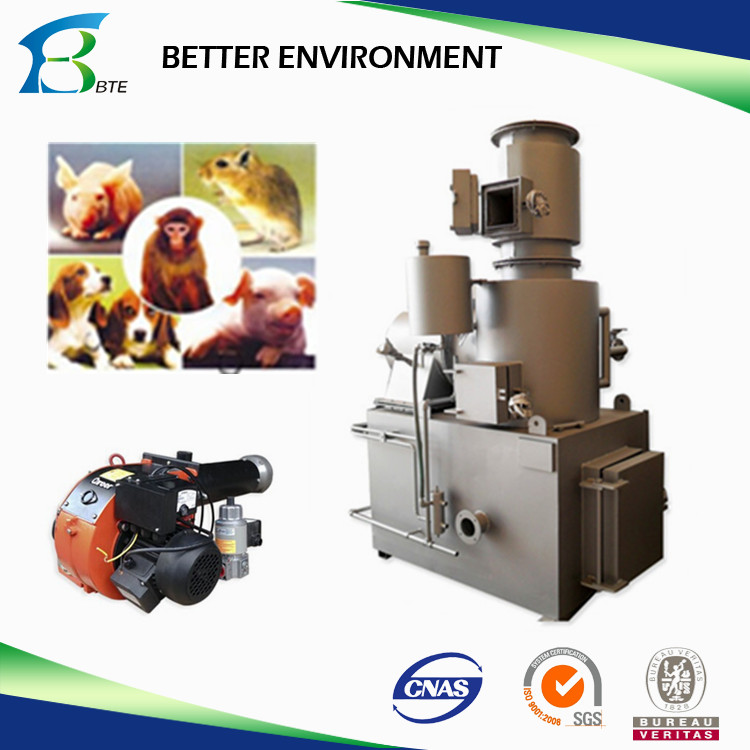
The Animal Body Incinerator is designed for the safe, efficient, and environmentally compliant disposal of animal carcasses and pathological waste. It provides a reliable solution for veterinary clinics, livestock farms, research facilities, rendering plants, and municipal waste management centers, helping prevent the spread of infectious diseases while ensuring compliance with environmental regulations.
system features a high-efficiency dual-chamber combustion design. The primary chamber ensures complete combustion of animal waste, while the secondary chamber operates at temperatures of up to 1,200°C to oxidize unburned gases, significantly reducing smoke, odors, and harmful emissions. This advanced combustion process delivers cleaner exhaust and improves overall incineration efficiency.
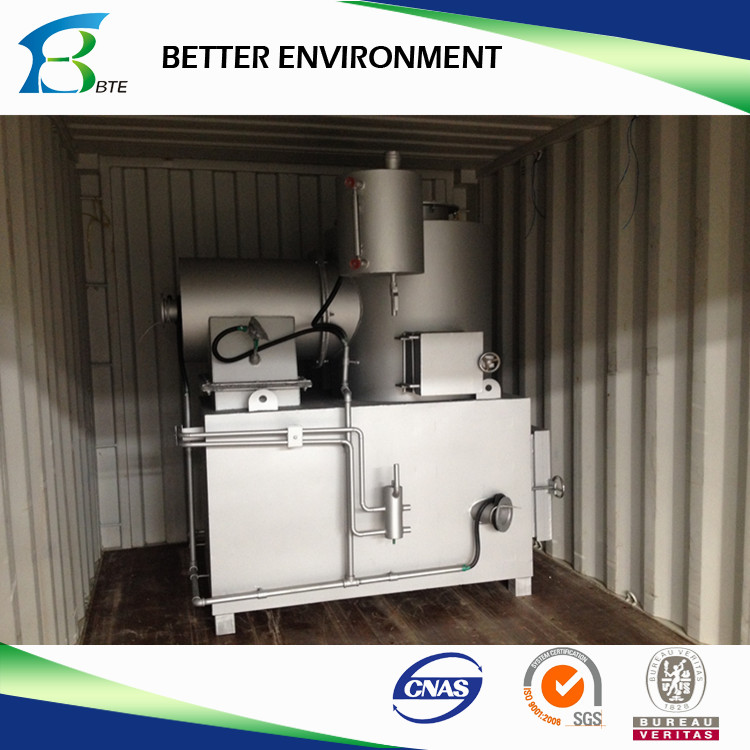
Constructed from heavy-duty carbon steel with high-temperature refractory lining, the incinerator is engineered for continuous operation in demanding environments. Its durable structure offers excellent thermal insulation, corrosion resistance, and long service life while minimizing heat loss and reducing fuel consumption.
An automatic control system enables precise temperature management and stable combustion performance, reducing operator workload and ensuring consistent waste destruction. The incineration process reduces waste volume by up to 95%, leaving only sterile ash for final disposal and significantly lowering transportation and landfill costs.
By providing an on-site waste disposal solution, the Animal Body Incinerator helps facilities improve biosecurity, reduce disposal expenses, minimize environmental impact, and maintain compliance with local and international waste management standards.
High-efficiency dual-chamber combustion system
Secondary combustion temperatures up to 1,200°C for cleaner emissions
Effective destruction of pathogens and biological contaminants
Reduces waste volume by up to 95%
Low smoke, odor, and particulate emissions
Heavy-duty construction for long service life
Automatic temperature control for stable operation
Supports environmental compliance and biosecurity management
Suitable for veterinary clinics, farms, laboratories, rendering facilities, and municipal waste treatment
| Model | WFS-30 | WFS-50 | WFS-150 | WFS-300 | WFS-500 |
| Burning Capacity | 20-30kg/time (3-6 times/day) | 30-50kg/time (3-6times/day) | 100-150kg/time (3-6times/day) | 200-300kg/time (3-6times/day) | 300-400kg/time(3-6times/day) |
| Incinerator Size m (L*H*B) | 1.45*0.9*1.75 | 1.8*1.15*3 | 2*1.4*3.5 | 2.2*1.4*3.8 | 3*2*4.8 |
| Imputing Mouth Width (mm) | 480*600 | 620*800 | 760*960 | 900*1100 | 1080*1280 |
| Chimney External Diameter (mm) | 280 | 280 | 300 | 400 | 460 |
| Draught Fan | 0.37kw | 0.37kw | 0.5kw | 1.1kw | 1.1kw/0.55kw |
| Combustion Burner | 0.11kw Oil consumption: 4-6kg/h | 0.11kw Oil consumption: 4-10kg/h | 0.11kw Oil consumption: 4-10kg/h | 0.22kw Oil consumption: 7-14kg/h | 0.22kw Oil consumption: 7-14kg/h |
| Re-Burner | 0.11 kw Oil consumption 4-6 kg/h | 0.11kw Oil consumption: 4-10kg/h | 0.22kw Oil consumption: 7-14kg/h | 0.37kw Oil consumption: 10-20kg/h | 0.37kw Oil consumption: 15-26kg/h |
| Voltage | 380v/220v | 380v/220v | 380v/220v | 380v/220v | 380v/220v |
Incinerator Flue Gas Emission Standard
| No. | Pollutant name | Measuring unit | Data |
| 1 | Blackness of Flue Gas | Ringelmann class | Ⅰ |
| 2 | Smoke & Dust | mg/m3 | 100 |
| 3 | CO | mg/m3 | 100 |
| 4 | SO2 | mg/m3 | 400 |
| 5 | HF | mg/m3 | 9.0 |
| 6 | HCL | mg/m3 | 100 |
| 7 | NO2 | mg/m3 | 500 |
At the heart of this disposal system lies an advanced thermal oxidation process inspired by industry-leading Japanese gasification principles. Traditional burning methods often leave behind hazardous remnants and emit toxic plumes, but this system utilizes a sophisticated two-stage thermal degradation process. By strictly controlling the oxygen flow and applying intense, sustained heat, the incinerator breaks down complex organic molecules at the atomic level, guaranteeing a residue that is biologically inert and environmentally benign.
Dual-Chamber Mastery: The primary chamber initiates gasification, while the secondary chamber acts as a high-heat crucible, incinerating any remaining volatile gases before they can escape.
Extreme Thermal Range: Sustains operating temperatures between 850°C and 1200°C, a threshold that guarantees the absolute destruction of resilient viruses, bacteria, and prions.
Mixed Incineration Capability: Flawlessly handles varying moisture levels and densities within a single batch, maintaining consistent internal temperatures without stalling.
Rapid Ash Reduction: Transforms heavy, hazardous biological waste into a sterile, lightweight ash, reducing the original volume by over 95% and drastically cutting landfill disposal costs.
Regulatory compliance is non-negotiable for modern institutional and commercial facilities. This system acts as an impenetrable barrier between hazardous biological waste and the natural ecosystem. By prioritizing aggressive emission scrubbing within the thermal cycle itself, the equipment ensures that your facility not only meets but actively exceeds stringent global environmental protection mandates. You can operate with total peace of mind, knowing your local air quality remains pristine.
Extended Smoke Residence: The architecture forces exhaust gases to remain in the secondary combustion zone for ≥ 2 seconds, ensuring all particulate matter is completely oxidized.
Sub-Standard Emissions: Rigorously tested to output dust, carbon monoxide, and dioxin levels that fall significantly below stringent international environmental thresholds.
Ringelmann Class I Compliance: Guarantees that any exhaust leaving the chimney is visually clear, eliminating the dark, polluting smoke plumes associated with outdated incinerators.
Secondary Pollution Prevention: The totally enclosed operational cycle prevents any accidental leakage of infectious fluids or airborne pathogens during the disposal process.
Industrial equipment must withstand punishing internal temperatures and harsh external environmental conditions year after year. The structural integrity of this thermal disposal unit is uncompromising, built from the ground up to resist thermal shock, chemical corrosion, and mechanical wear. Investing in this equipment means securing a long-term asset that will perform reliably through thousands of intense heating and cooling cycles.
Heavy-Duty Carbon Steel Shell: The exterior framework is constructed from premium-grade carbon steel, providing a rigid, impact-resistant exoskeleton that protects sensitive internal components.
Advanced Refractory Lining: The interior is heavily insulated with high-alumina, temperature-resistant refractory materials that trap heat inside the chamber, protecting the steel shell from warping.
Anti-Corrosion Finishes: All external surfaces are treated with specialized industrial coatings that resist rust, moisture degradation, and chemical exposure, ideal for semi-outdoor installations.
Reinforced Hardware: Hinges, latches, and imputing doors are over-engineered to maintain an airtight seal even after years of continuous, heavy-handed daily usage.
Operational expenditure is a critical metric for procurement professionals evaluating heavy machinery. This system is meticulously calibrated to squeeze maximum thermal output from every drop of fuel, ensuring that your daily running costs remain highly predictable and economically viable. By optimizing the fuel-to-air ratio dynamically, the incinerator reaches its peak operating temperature rapidly and sustains it with minimal ongoing fuel consumption.
Flexible Fuel Options: Can be configured to run on either oil (diesel) or gas, allowing facilities to utilize the most cost-effective and readily available energy source in their specific region.
High-Efficiency Burners: Equipped with precision-engineered combustion and re-burners that atomize fuel perfectly, resulting in oil consumption rates as low as 4-6 kg/h on smaller models.
Thermal Retention: The superior refractory insulation prevents heat loss, meaning the burners do not have to work continuously at maximum capacity to maintain the 1200°C secondary chamber temperature.
Optimized Power Draw: Electrical components, including the draught fans and control panels, operate on standard 380V/220V voltages with highly efficient kilowatt ratings, minimizing your facility's electrical load.
Human error is the largest variable in waste management safety. By automating the complex thermal cycles, we remove the guesswork from the equation, drastically enhancing workplace safety for your operational staff. The system is designed to be intuitive, requiring minimal specialized training to operate effectively. From the moment the heavy door is sealed, the machine's internal logic takes over, monitoring pressures and temperatures to ensure a flawless burn.
Negative Pressure Operation: The draught fan creates a continuous negative pressure environment within the chamber, ensuring that flames, heat, and infectious particles can never blow back toward the operator.
Automated Ignition Sequence: Eliminates the danger of manual lighting; the system initiates the primary and secondary burners through a secure, electronic sequence.
Intelligent PLC Monitoring: (Available on advanced configurations) Continuously reads internal chamber temperatures, automatically adjusting fuel flow to maintain optimal heat without manual intervention.
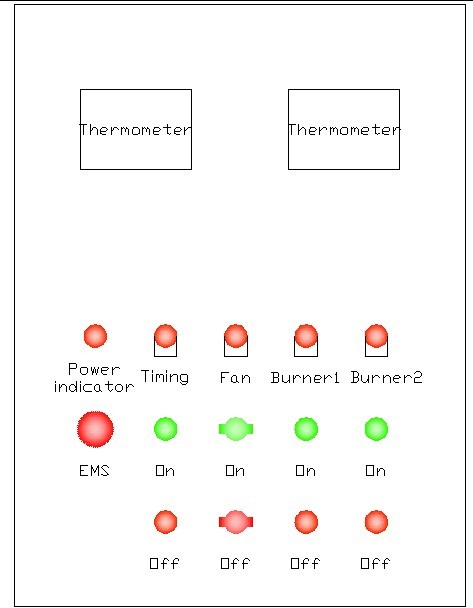
Visual Control Interfaces: Clear, well-labeled electrical control panels provide immediate visual feedback on the machine's status, allowing operators to monitor the cycle from a safe distance.
Acquiring complex heavy machinery is only the beginning of the equipment's lifecycle. We provide a comprehensive ecosystem of technical support and operational guidance to ensure your facility never experiences prolonged downtime. Our commitment to your success extends far beyond the initial delivery, offering a suite of resources designed to empower your maintenance teams and guarantee the flawless installation of your new thermal disposal unit.
Immersive 3D Video Guidance: Visual learners can utilize our detailed 3D rendering videos, which break down the installation and daily operation processes step-by-step.
Comprehensive English Manuals: Every unit ships with an exhaustive, clearly translated operational handbook covering troubleshooting, maintenance schedules, and safety protocols.
Precise Technical Drawings: We provide detailed schematics and wiring diagrams (such as the WFS-Model wiring diagram) to assist your local electricians and engineers during setup.
Expert Engineering Support: Gain access to our roster of experienced technicians who are available to provide remote guidance, ensuring your equipment operates at peak efficiency from day one.
Selecting a manufacturing partner for critical waste management infrastructure requires absolute trust in their engineering pedigree and post-deployment reliability. We do not just assemble machinery; we engineer comprehensive environmental solutions tailored to the rigorous demands of modern commercial and institutional operations. Our dedication to material excellence and technological innovation ensures that every unit leaving our facility is a benchmark of quality.
Decades of Engineering Pedigree: Built upon proven, highly refined Japanese gasification technology, adapted and perfected for global operational environments.
Uncompromising Quality Control: Every incinerator undergoes rigorous stress testing and thermal calibration before shipping, ensuring out-of-the-box readiness.
Global Compliance Standards: Our equipment is trusted worldwide because it consistently meets and exceeds the strictest international environmental and safety regulations.
Tailored Scalability: With a diverse range of models, we provide exact-fit solutions rather than forcing a one-size-fits-all approach onto your unique facility.
End-to-End Partnership: From initial consultation and capacity planning to lifetime technical support, we act as an extension of your facility's operational team.
To assist your procurement evaluation and facility planning, we have compiled the most critical technical inquiries regarding our thermal disposal units. These answers provide deeper insights into the operational mechanics and site requirements of the equipment.
How does the dual-chamber design prevent smoke and odors?
The primary chamber burns the solid waste, which releases volatile gases and smoke. These gases are immediately drawn into the secondary chamber, where they are subjected to extreme temperatures (up to 1200°C) for at least 2 seconds. This intense heat completely oxidizes the odorous compounds and microscopic particulate matter, resulting in a clean, invisible exhaust.
What type of maintenance is required for the high-temperature refractory lining?
The high-alumina refractory lining is highly durable but requires periodic visual inspections. Operators should check for minor surface cracking or wear every few months, depending on usage frequency. Avoiding physical impacts when loading heavy carcasses and allowing the machine to cool down naturally after a cycle will significantly extend the lining's lifespan.
Can this equipment handle high-moisture organic materials?
Yes. The gasified incineration technology is specifically designed to handle mixed waste streams, including high-moisture pathological waste and animal carcasses. The powerful combustion burners evaporate the moisture rapidly, allowing the organic material to ignite and burn thoroughly without stalling the thermal cycle.
What are the site preparation requirements before installation?
The unit requires a level, reinforced concrete pad capable of supporting its operational weight. Additionally, the site must have access to the specified electrical supply (380v/220v) and the chosen fuel source (diesel tank or gas line). Adequate overhead clearance for the chimney installation and proper ventilation around the unit are also mandatory.
How does the automated control system optimize fuel consumption?
The intelligent control panel utilizes thermal sensors inside the chambers to monitor real-time temperatures. Once the secondary chamber reaches the optimal pathogen-destroying temperature (e.g., 1000°C), the system automatically throttles down the burners. It only injects additional fuel when the temperature begins to drop, preventing wasteful continuous burning at maximum capacity.