Views: 9 Author: Site Editor Publish Time: 2025-10-10 Origin: Site
In today's rapidly urbanizing world, efficiently and environmentally treating domestic and industrial sewage has become a critical issue for sustainable development. Traditional sewage treatment plants often occupy large areas, are prone to producing odors, and face opposition from nearby residents due to their location. An innovative solution—underground sewage treatment systems—is quietly emerging as an "unsung hero" in urban ecosystems, thanks to its unique advantages.
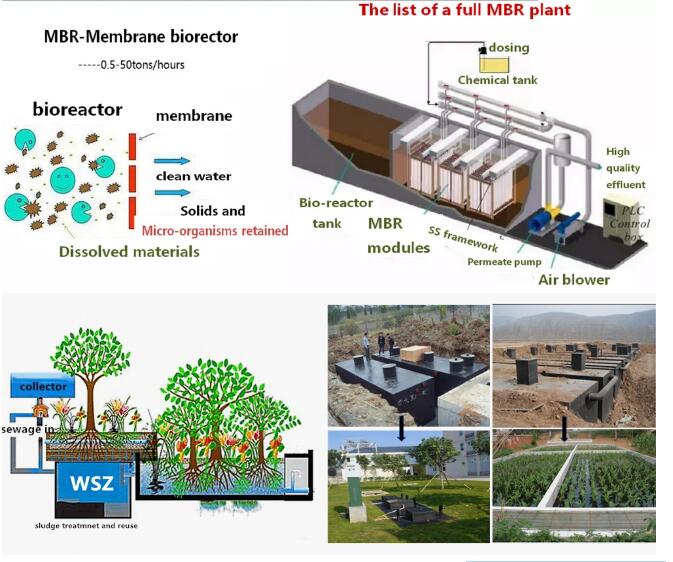
An underground sewage treatment system is a highly integrated, modularized efficient sewage treatment solution that places the main structures entirely or mostly below ground. It typically employs advanced biological treatment technologies (such as A/O (Anaerobic-Oxic), MBR (Membrane Bioreactor), SBR (Sequencing Batch Reactor), or biological contact oxidation) to purify sewage through physical, biological, and chemical processes in an enclosed space.
Its core design philosophy is "landscaping above ground, functionality underground." The above-ground portion often retains only necessary access points, ventilation openings, or is cleverly designed to blend into the surroundings as green landscapes, parking lots, or park facilities, completely avoiding the "Not-In-My-Backyard (NIMBY) effect" associated with traditional sewage treatment facilities.
1. Saves Land Resources, Enhances Space Value
This is the most significant advantage of underground systems. By consolidating all equipment below ground, it frees up valuable surface land for real estate development, parks, plazas, or other public facilities, greatly improving land use efficiency and economic value. It is particularly suitable for land-scarce urban centers, commercial districts, residential areas, and scenic spots.
2. Minimal Environmental Impact, Eco-Friendly
The fully enclosed underground structure effectively contains odors, noise, and dust generated during the treatment process. Through centralized collection and purification, its impact on surface air and acoustic environments is minimized, preventing conflicts with nearby residents and activities, and achieving harmony with the surroundings.
3. High Treatment Efficiency, Stable Water Quality
Utilizing mature biological treatment processes and intelligent control systems, the system can automatically adjust operational parameters to handle fluctuations in water volume and quality, ensuring stable effluent that meets or even exceeds national discharge or reuse standards. Treated water from advanced systems can often be directly reused for irrigation, landscape replenishment, vehicle washing, and more, enabling water recycling.
4. Short Construction, Easy Operation and Maintenance
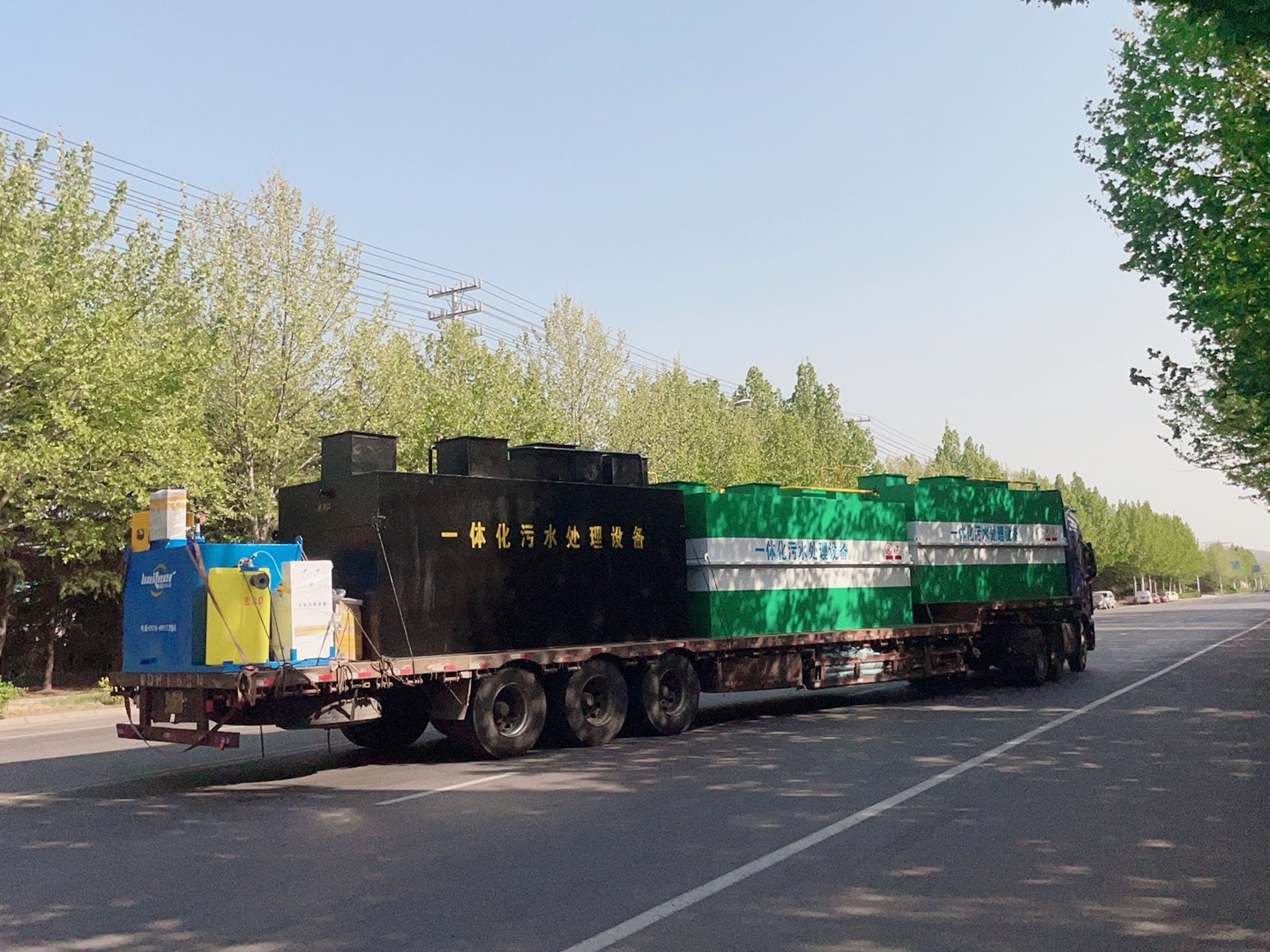
The modular prefabricated design allows for quick on-site installation, significantly shortening construction time. Meanwhile, intelligent monitoring systems enable remote management, fault diagnosis, and alerts, reducing the frequency of manual inspections and operational costs.
The flexibility of underground sewage treatment systems makes them ideal for various scenarios:
• Residential and Villa Areas: Perfectly addresses decentralized sewage collection and treatment challenges while enhancing community aesthetics.
• Rural and Township Areas: Overcomes difficulties in pipeline network construction, providing an efficient decentralized solution for beautifying rural environments.
• Tourist Resorts and Homestays: Treats sewage while protecting ecological landscapes, preserving clear waters and green mountains.
• Schools, Factories, and Highway Service Areas: Offers standalone sewage treatment solutions for independent zones.
• Temporary Construction Sites: Highly portable, meeting temporary sewage treatment needs.
Despite their advantages, underground sewage treatment systems face challenges such as relatively high initial investment, stringent requirements for equipment quality and corrosion resistance, and the need for professional maintenance teams.
Looking ahead, with advancements in materials science, the Internet of Things (IoT), artificial intelligence, and energy-saving technologies, underground sewage treatment systems will evolve toward greater intelligence, energy efficiency, and resource recovery. Equipped with more sensors and AI algorithms, they will achieve precise aeration, smart dosing, and predictive maintenance, further reducing energy consumption and operational costs. Additionally, shifting from mere "sewage treatment" to "water resource recovery plants," they will focus more on reclaiming resources like phosphorus and nitrogen, truly turning waste into treasure.
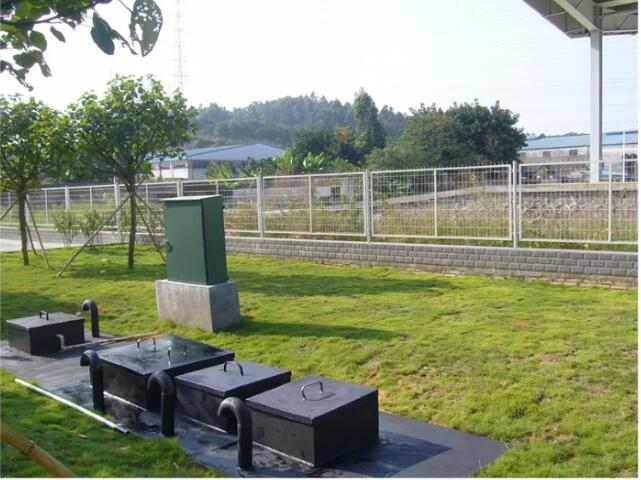
Underground sewage treatment systems act as the "green heart" silently operating beneath cities. They are not only a major innovation in environmental engineering technology but also a testament to the wisdom of modern cities pursuing intensive and ecological development. With the power of technology, they invisibly address environmental challenges, restoring beauty and vitality to the surface, and providing key solutions for building future cities where humans and nature coexist in harmony.


